Our First House
Written by Mac Walcott
“...the delight of a client still in love with her home...”
Robert Venturi (one of my favorite architects), passed away in 2018, at age 93. He and his wife, Denese Scott-Brown, led a vibrant practice over the last 50 years that at one time led the discourse about the demise of the dogmatic rigors of Modern Architecture as it was being replaced by the historic birthright of “Style”. He was to Modern Architecture what Tom Wolf was to Modern Art.
The early years of Venturi’s career were launched by the publication of a house he designed for his mother in 1967. Many architects start their careers by following this same path of “doing houses”. The images below offer some examples. Many times the “first houses” are for a friend or family member who wants to help a young architect, or for a patron who thinks he might be on to something. Often they are experimental because the young architect is testing ideas that he/she hasn’t used before, or knows little about. The Venturi house did not weather well, and early on had some significant rot, deterioration and bad press issues. Only a mother’s love, right?
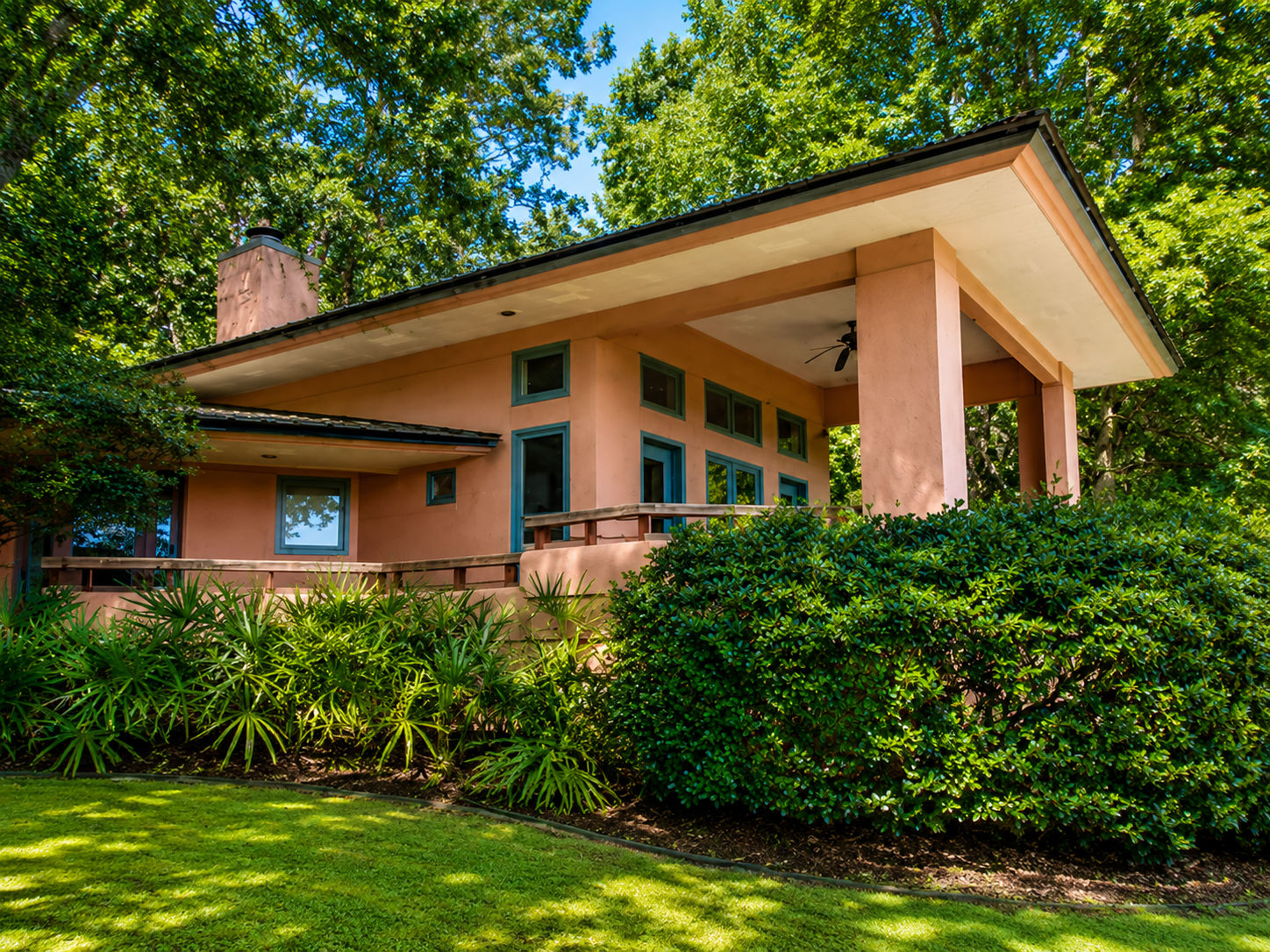
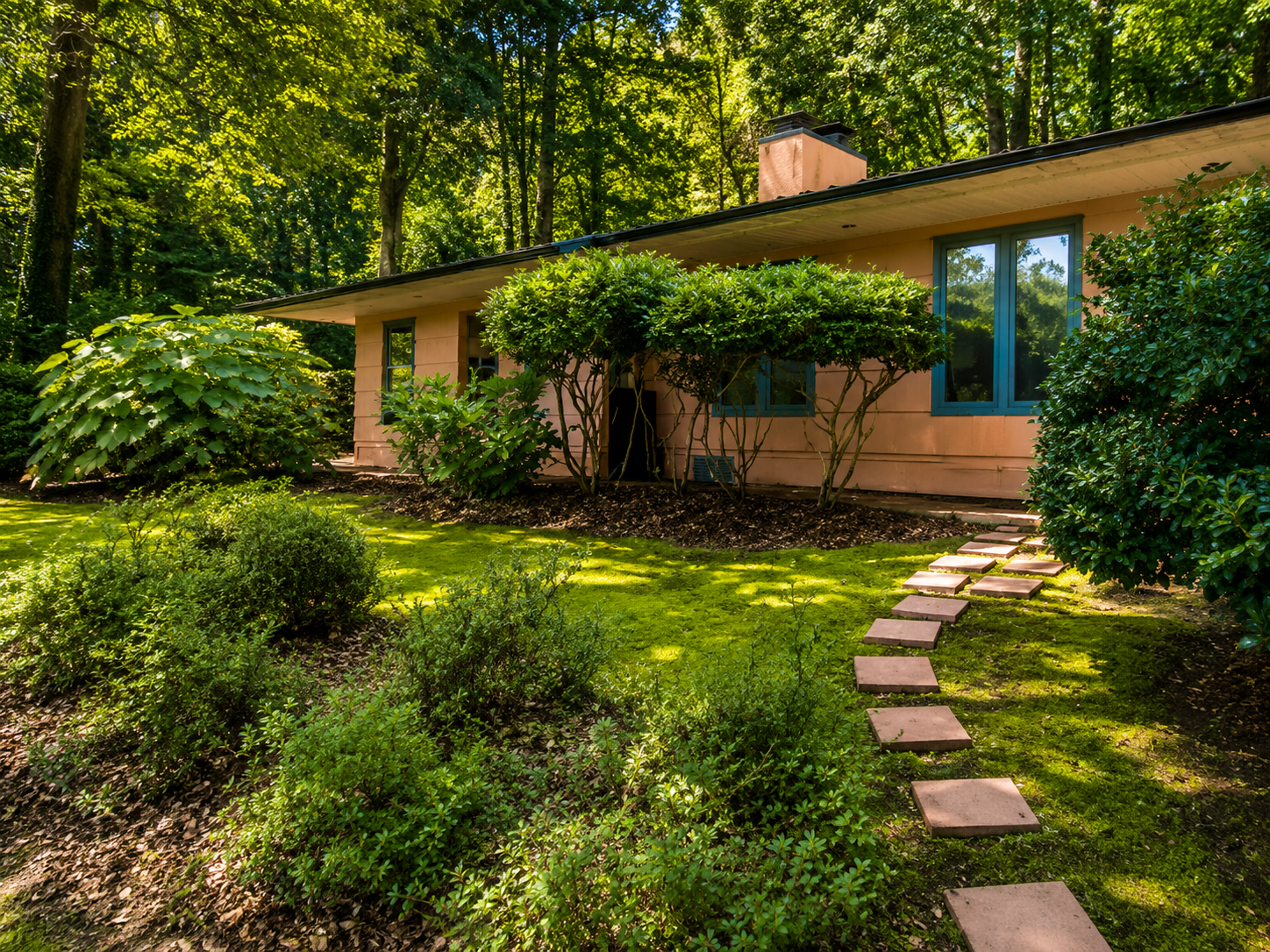
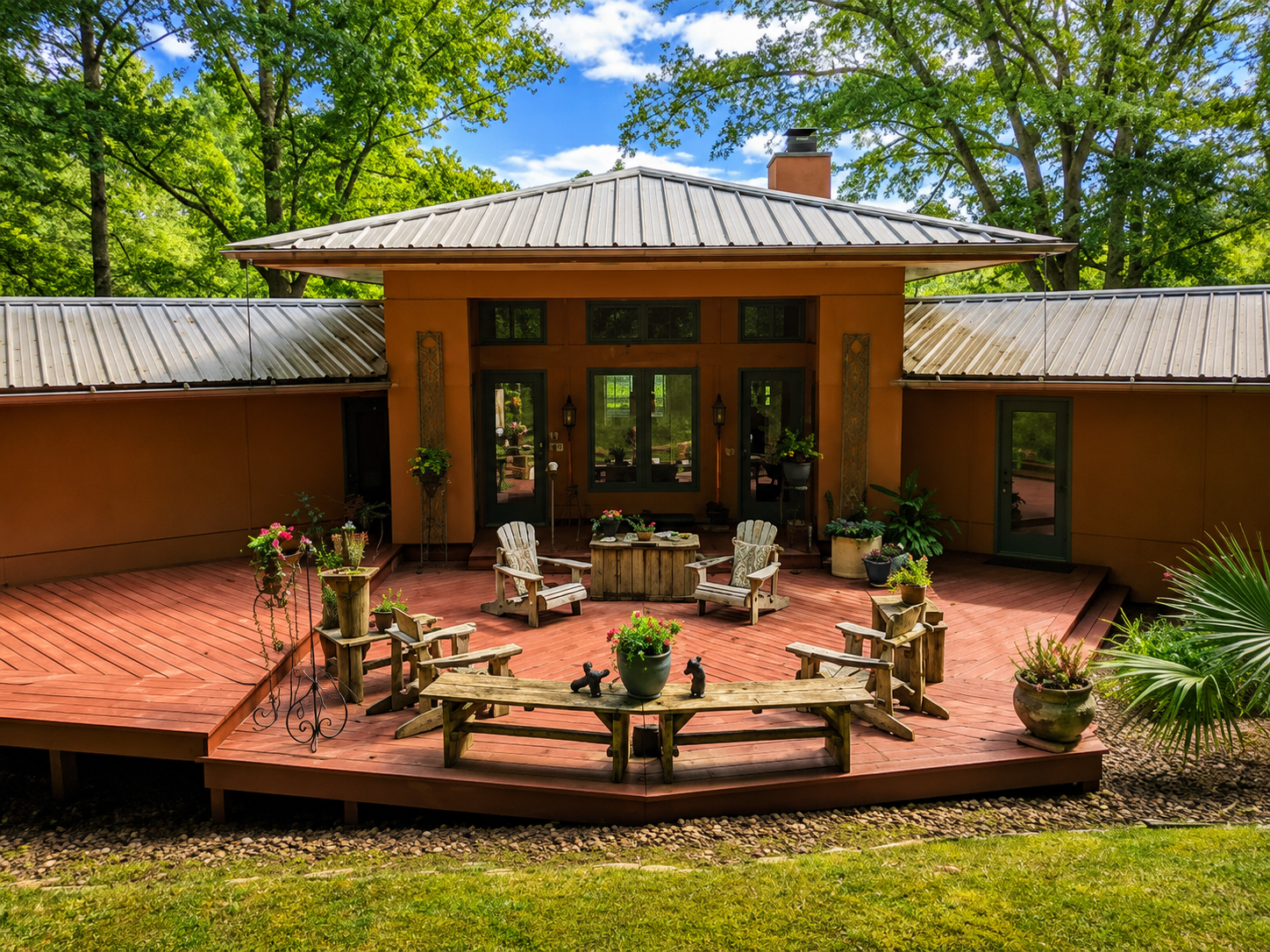
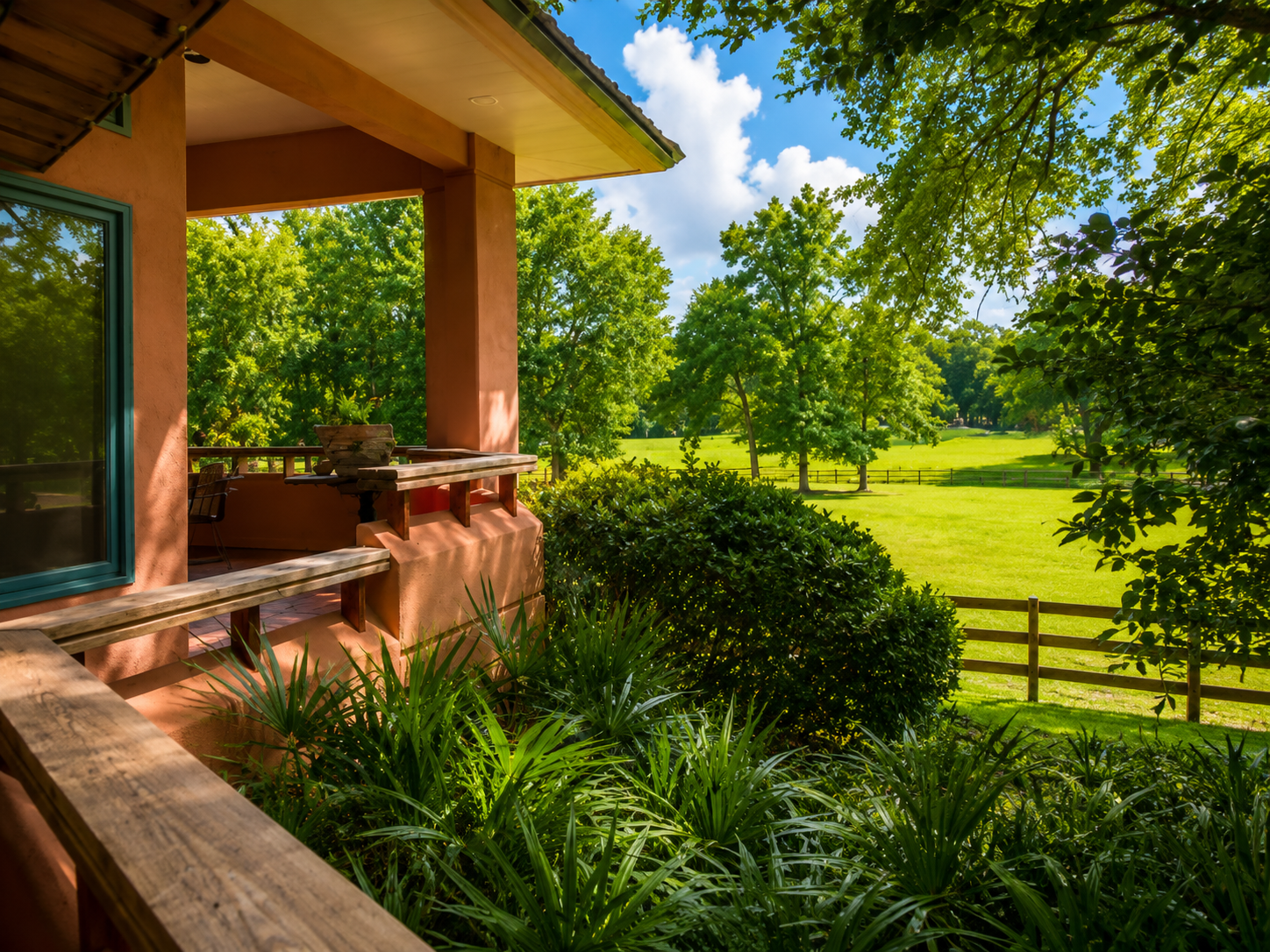
The first whole house that Gina and I designed together for a paying client was for her oldest sister, Lesa Hall, an attorney in Jackson, MS. We were both working for Gina’s dad, Frank Hall, who practiced in Mobile, AL from 1985 till his passing in 2005. Because of the family dynamics, Frank was glad to let Gina and I run with the house, and we did. Lesa and her husband Rick Bass (not the writer, although they look alike) had purchased a beautiful 7 acre hillside lot in an equestrian development in Madison County, MS. Lesa is a dressage enthusiast, so the whole project involved the wrapping of the house around the wooded hillside to optimize the views of her horses in the pastures below, along with a view to her dressage arena. This was all in 1986-87.
Lesa and Rick were free thinkers back then, perfect clients for a “first house”. When we started the discussions of “what the house should be” , (we didn’t dare use the “Style” word back then, see Venturi) ,they both agreed that the house they liked most in Jackson was a Frank Lloyd Wright house built in the 1950’s, the Rosenbaum House. It is one two FLW houses in Mississippi, and was not well known.
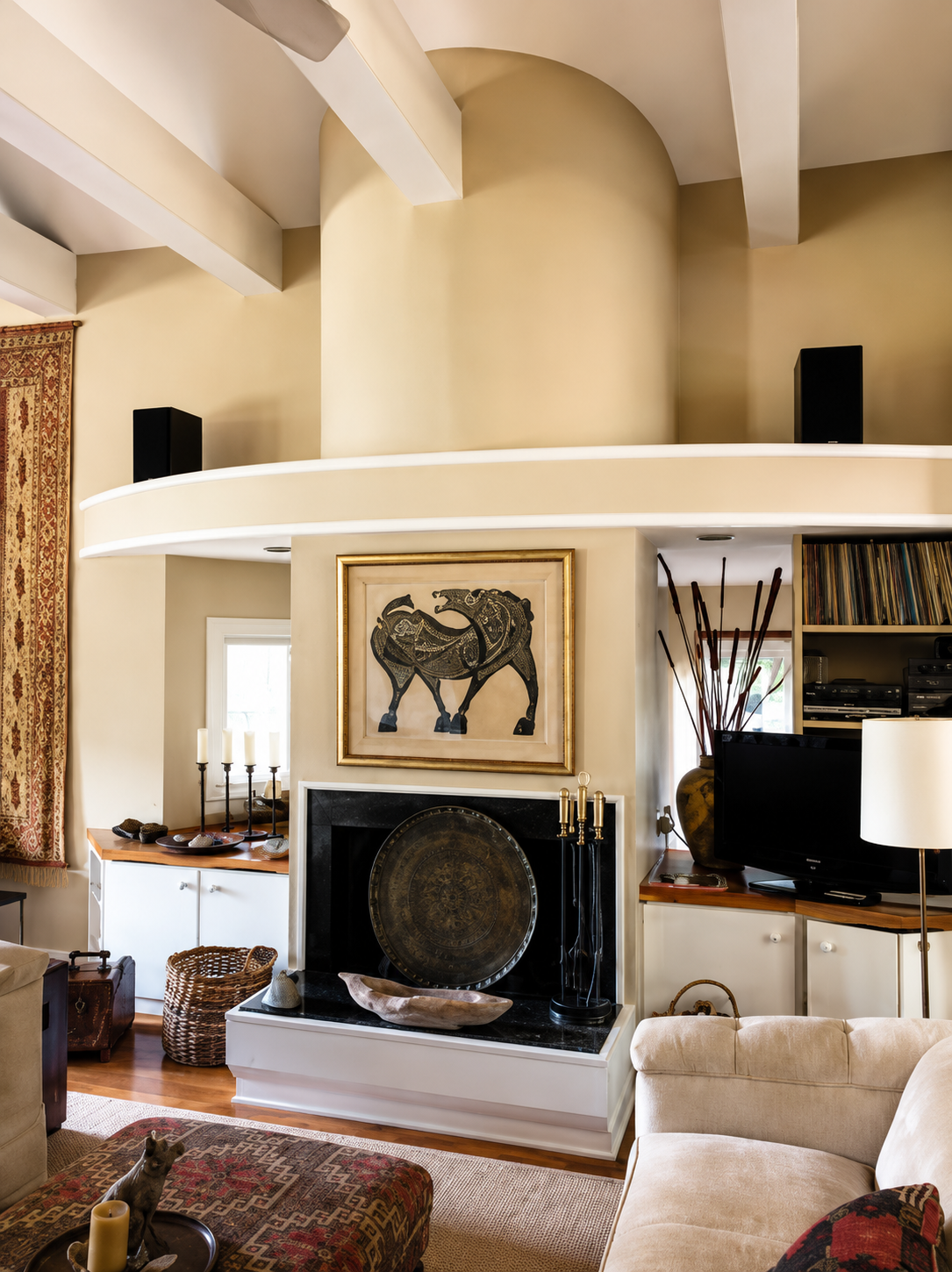
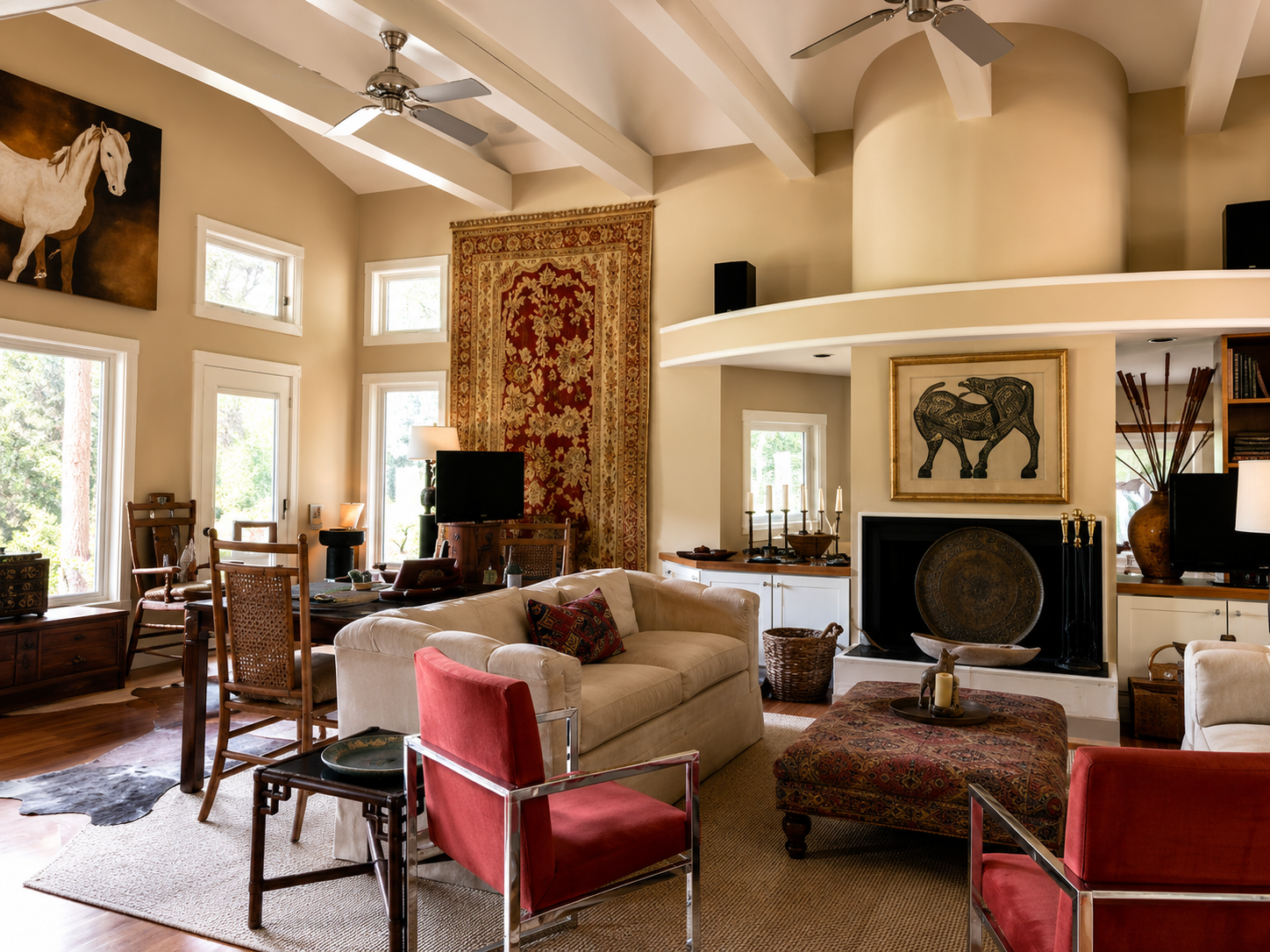
This was also a few years before the Tom Mononagan - inspired craze for anything FLW took off. In the pre-internet days, all we could was sneak down the driveway and snap a few pictures with our film cameras, being too shy/proud to knock on the door. It was a classic late prairie-style house, and those first snapshots launched us into an FLW-inspired concept that produced a very simple, small house solution. In looking now at the Rosenbaum House there are some fantastic features of it that we did not even know about then, from our limited driveway reconnaissance.
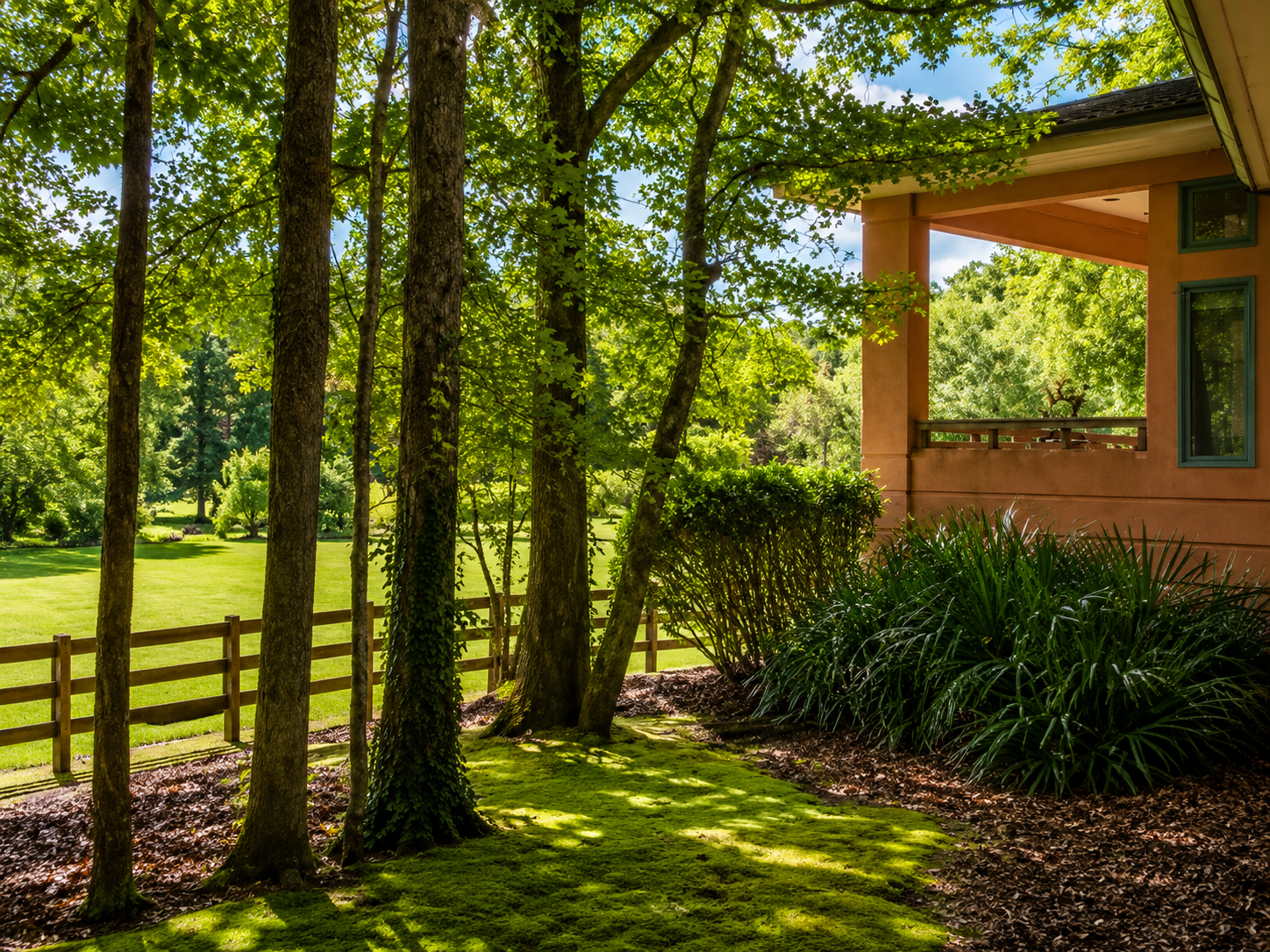
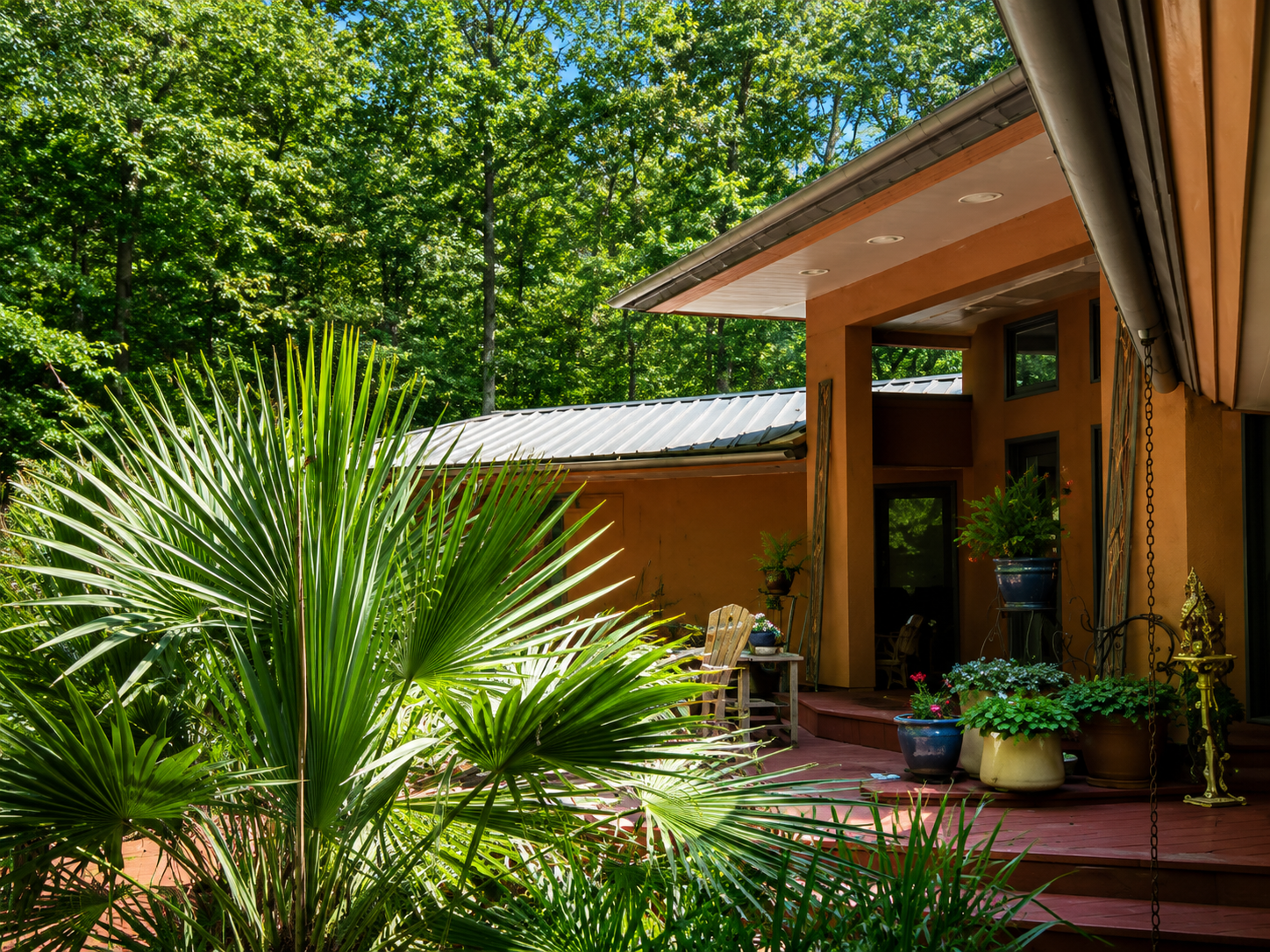
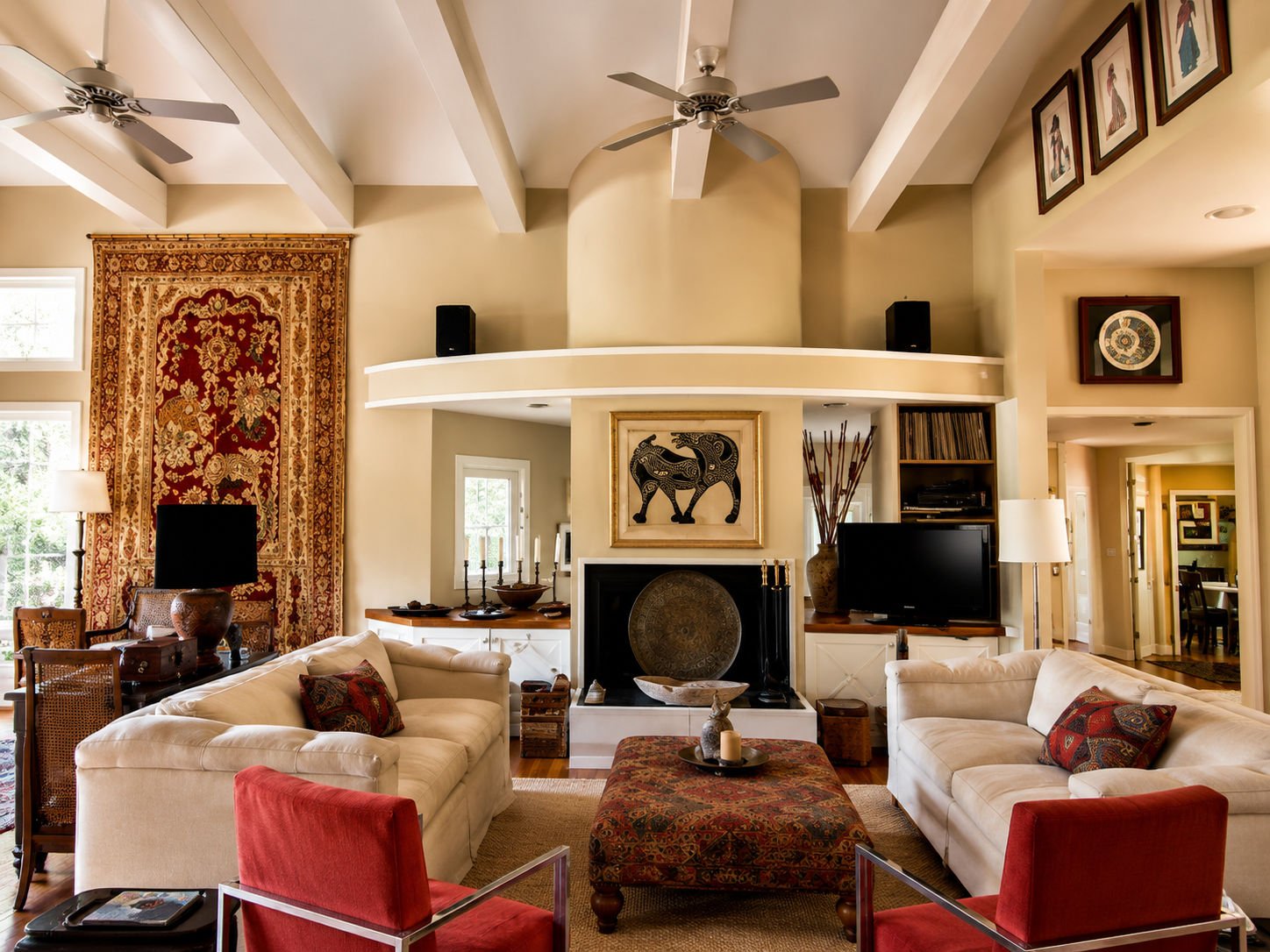
Earlier this year, we visited Lesa in her house and took the photos below. The floor plan shows the “wrap around the hill” placement, with most of the house only being one room deep for cross ventilation. The house is only about 1800sf conditioned, and was built for about $140,000, or about $77/sf. The finishes are very modest, with most of the interior details coming from color accents and shaping of the sheetrock planes. The dryvit walls, deep overhangs, and the “ice house roof” (more on that later) have provided an average utility bill of about $125 per month. Gina and I were in Architecture School right after the first energy crisis, so that was on our minds. The contractor defaulted when the house was about 75% completed, so I spent a month on site at the end of the project acting like a superintendent to help the subs finish their work (that’s another story also!) The house has held up reasonably well for a “first house”, with only some minor Dryvit issues (see experimental above)
In spending the weekend with Lesa at her house, in taking the photos, and in writing this, Gina and I were able to experience again the delight of a client still in love with her home, even after 32 years. To us, this delight is what Architecture is all about.